
Choosing the Right Mortar for Stone & Period Properties
Why Mortar Choice Matters
Mortar is literally the glue that holds your property together but it’s so much more than that! If it’s only function was structural, you might think that stronger is always better but here we outline the various functions of mortar, the reasons some are better than others and the most practical applications of each.
The Mortar Should be Softer than the Stone
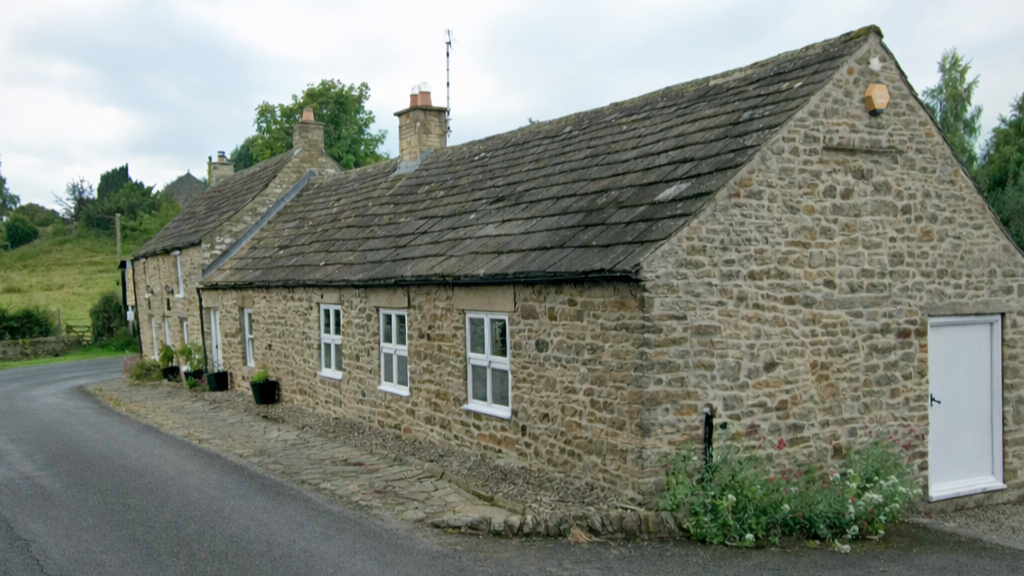
This is our number one rule when it comes to repointing stone buildings. There are many reasons for this but the number one is that the mortar is designed to be the sacrificial element of the wall; it’s supposed to deal with the moisture, weathering and cold so that the stone itself is protected and remains in good condition.
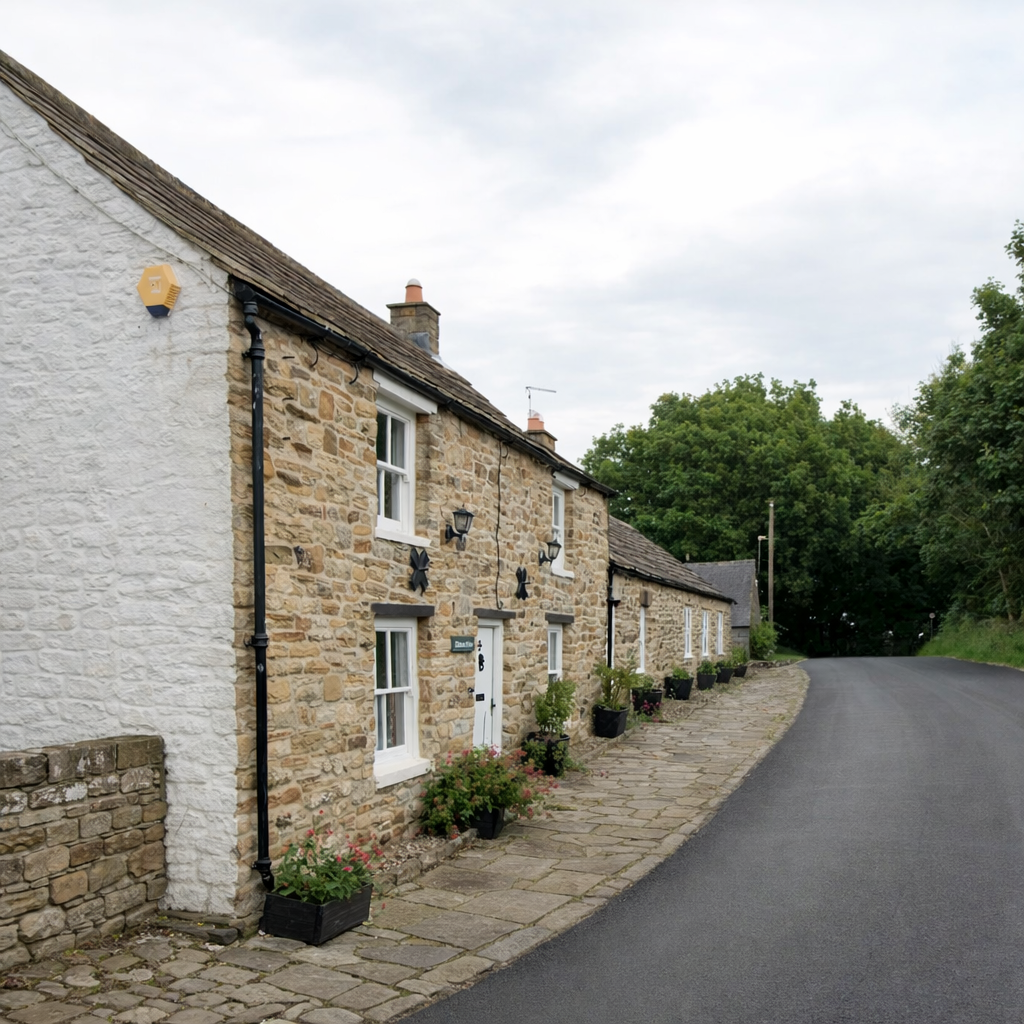
Repointing an old stone building with cement is one of the worst things you can do. People used to believe that stronger was better and that because it set so hard, it would last longer and stop erosion. We now know better. Cement sets far harder than the stone and is, by comparison, essentially waterproof. This means that when it rains and the stone absorbs this moisture, it can’t move through the mortar and evaporate out, so it stays in the stone. Over time, this can create serious issues with damp inside the building leading to mould growth and a cold home. The consequences are no better on the outside; trapping moisture within the stones themselves means that when the temperature drops and the water freezes, it expands this often forces cracks and damage to the stone resulting in the stone crumbling away over time.
Although repointing isn’t cheap, masonry repairs are far more costly and disruptive so it’s worth investing the time and money in proper repointing as soon as you’re able. This process includes removing old cement mortar, then leaving the wall to dry out. Depending on the moisture, this may take weeks to even a few months, but don’t worry, usually only the top inch or two will be the cement mortar so your house won’t be compromised while this happens. Once it’s dried out, we can then begin the process of properly and carefully repointing with traditional lime mortar to brighten and vastly improve your home.
The strength of cement does have its uses! In contrast to stone buildings, when repointing a patio or path the mortar must be harder than the stone. This is to allow it to withstand the pressures placed onto it from above, if the mortar was soft in this instance it would be vulnerable to cracking. If you’d prefer for your patio to be repointed in lime, NHL 5 would be used as this sets much harder and is robust enough for this application.
Why Cement is Often Wrong for Stone Buildings
Hot Lime vs NHL 3.5
Hot Lime
Hot Lime is made using just three ingredients: quicklime, sand and water. It is the purest form of mortar as it’s minimally processed. Then the appearance can be personalised by changing the colour of sand, and the addition of different pozzolans (regional natural additives that assist setting and adhesion). For example, coastal regions may add crushed shells, or coal dust in mining regions. We tend to add the more traditional horse hair.
The beauty of hot lime is that it is the authentic material used in the construction of old stone buildings, it’s soft and porous which means that it assists in the drying of the wall by drawing the moisture from the stone and transporting it to the surface by capillary action, where it can quickly evaporate. This process protects the stone by preventing damp and reducing damage by freeze-thaw: Moisture trapped in the stone expands when it freezes which can weaken and damage the stone itself.
Newly redeveloped dry-slake hot lime mortar is made using far less water than the previous production method, resulting in a more environmentally friendly and seemingly more stable product that can be used during colder and wetter weather conditions. Hot lime is the bees knees of repointing giving a beautiful and authentic finish, but it is a labour intensive, specialist service requiring expertise and experience.
NHL 3.5
NHL stands for natural hydraulic lime and the numbers represent the strength of the mortar after one year (in Newtons). Widely used, easily accessible and less labour intensive than hot lime it definitely has its uses. It’s generally more cost-effective than hot lime and easier to work with, we recommend this for boundary and garden walls where damp is less of a concern and the extra strength is beneficial.
However, it continues to harden after the first year and tends to be mass-produced with a much lower percentage of actual lime plus other additives in the mix. Due to these factors, we prefer hot lime for period properties with this as a decent second option.

Heritage & Listed Buildings
If you’re lucky enough to be the owner or guardian of a listed property or one with historical importance, there are likely rules and regulations surrounding the work you have done and repointing is no exception.
Often, you will need to supply mixes to the appropriate authorities for prior approval and these will need to have a traceable source. We intend to use Eden Hot Lime Mortars for supply of these materials. We can work with you and help guide and support you through this process.
Mortar Colour & Regional Stone
Every region has its own local stone: In Northumberland, it’s sandstone in predominantly a buff colour although it can range from greyish, through buff to a soft pink. It is so important to honour the traditional look of the buildings by region to colour-match for a sympathetic finish. Tradesman experience is crucial to get this right building-by-building.
What We Would Never Do
As with all building work, it’s important to know what you’re looking for but also which red-flags to avoid. With repointing, you should be careful to watch out for these things we would never do: We never use brush-in mixes on patios and paths for speed, we never use cement to repoint stone buildings and we never repoint over badly prepared stonework.
Always make sure you hire a tradesman with a good local reputation for integrity, care and attention to detail.