
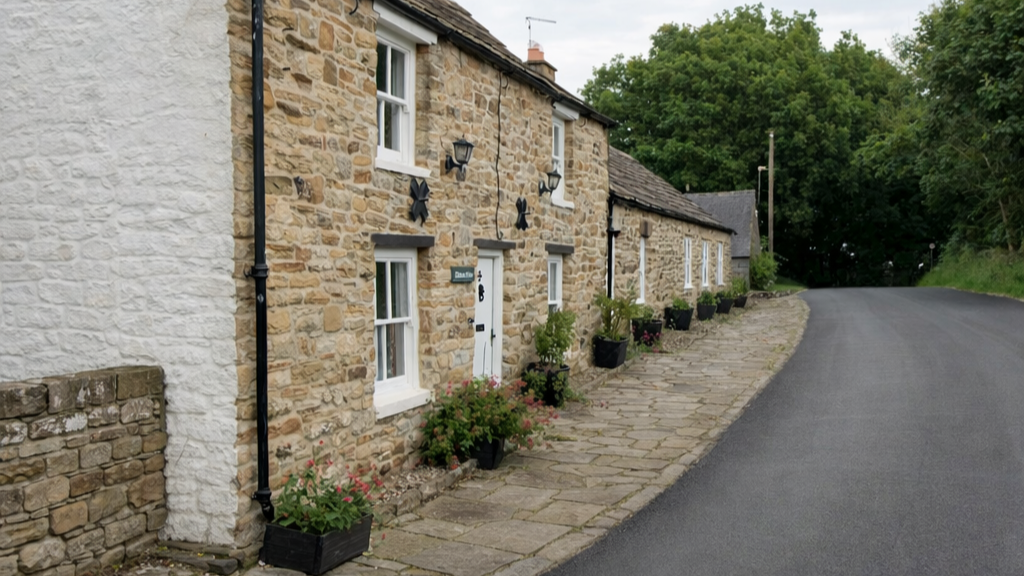
Why Repointing Matters for Stone & Period Buildings
Stonework is built to last for generations. It gives a building strength, character, and timeless appeal. However, like everything exposed to the elements, it naturally ages over time. Years of rain, frost, wind, and temperature changes gradually wear down not only the stone itself, but also the mortar that binds it together.
As mortar begins to deteriorate, small cracks and gaps can appear. At first, these may seem minor and easy to overlook. But over time, weathering can worsen, slowly opening up holes in the joints. When this happens, moisture can penetrate the structure, and the stone may begin to loosen. Left untreated, what starts as minor erosion can develop into far more serious and costly problems, such as water ingress, damp issues, internal damage, and even structural instability.
Repointing addresses this slow but inevitable process. By removing weakened or crumbling mortar and replacing it with fresh, durable material, the integrity of the structure is restored. This not only strengthens the masonry but also improves weather resistance and helps preserve the appearance of the building.
Catching deterioration early is key. Acting before significant damage occurs can prevent expensive repairs in the future and extend the lifespan of the stonework for many years to come.
Depending on the extent of the damage, this can be resolved either by carefully repairing affected sections or by carrying out a full repoint to ensure long-term protection and structural stability.
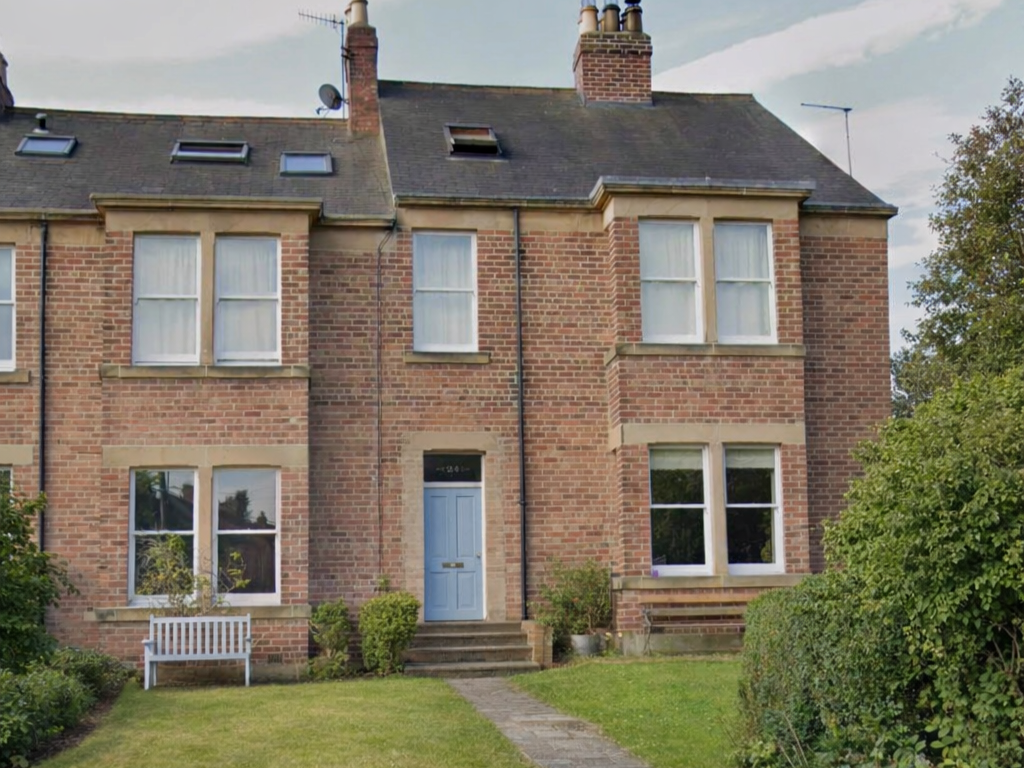
Signs your Building Needs Repointing
Cracks or crumbling mortar
Loose joints
Damp problems inside
Frost damage
Failed previous repairs
Why the Right Mortar Matters
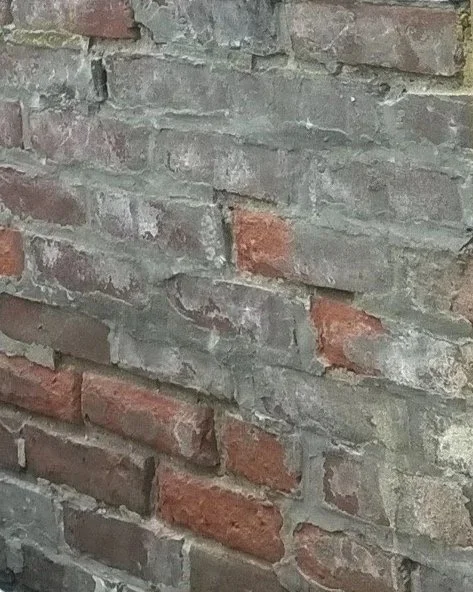
Why Using the Right Mortar Matters
Choosing the correct mortar for pointing is just as important as the workmanship itself. Mortar is not simply a filler between stones or bricks — it plays a vital role in how a building performs, breathes, and ages over time. Hot lime is the pinnacle of authentic mortars for stone buildings, it encourages water evaporation reducing the chance of damp inside the building.
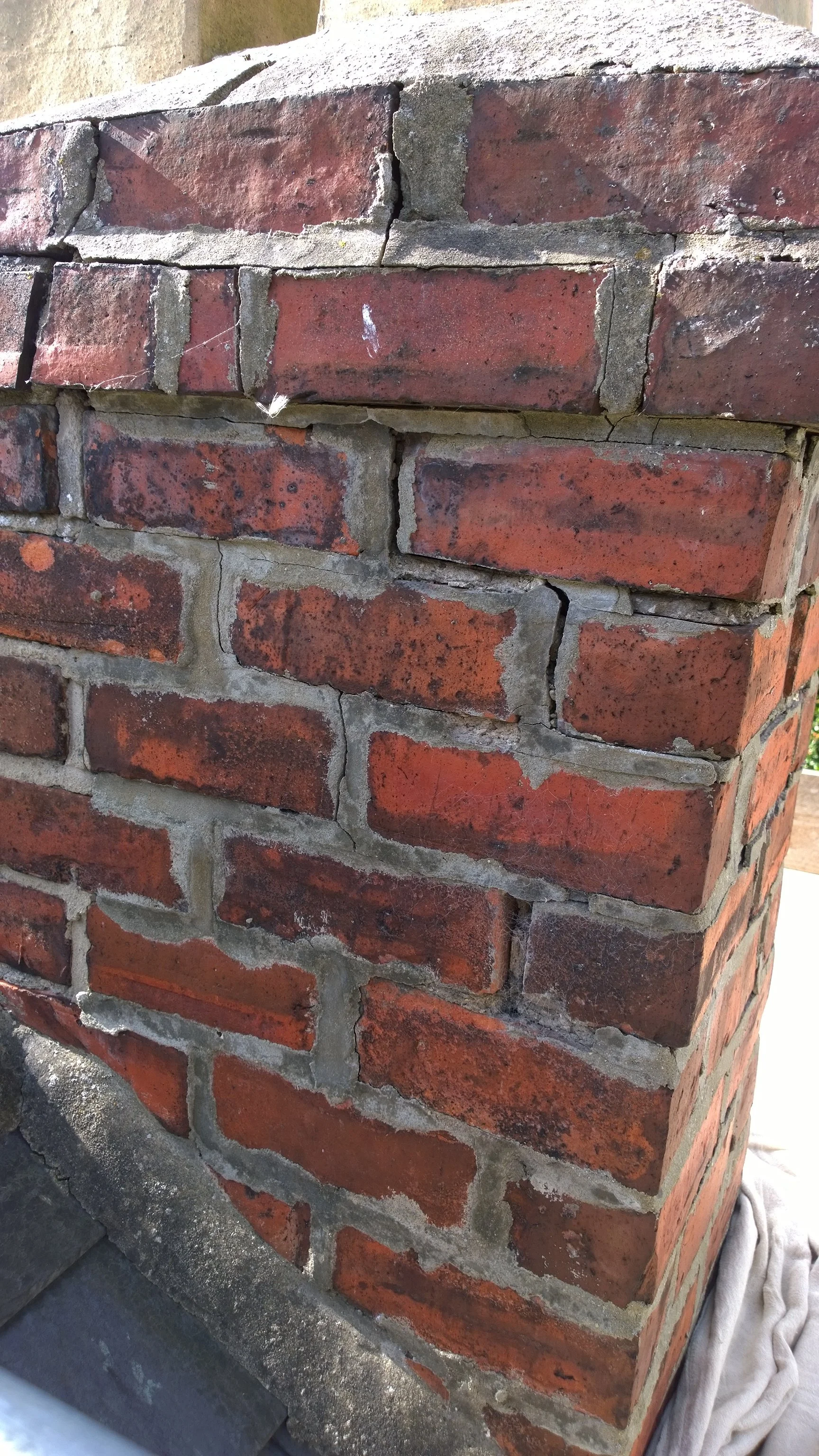
Movement and Flexibility
All buildings move slightly due to temperature changes, settlement, and general environmental factors. Lime mortars such as hot lime, and in some cases NHL 3.5, are more flexible and can accommodate this natural movement. Strong cement mortars, by contrast, are far less forgiving; they trap water inside and can crack under stress.
Longevity and Appearance
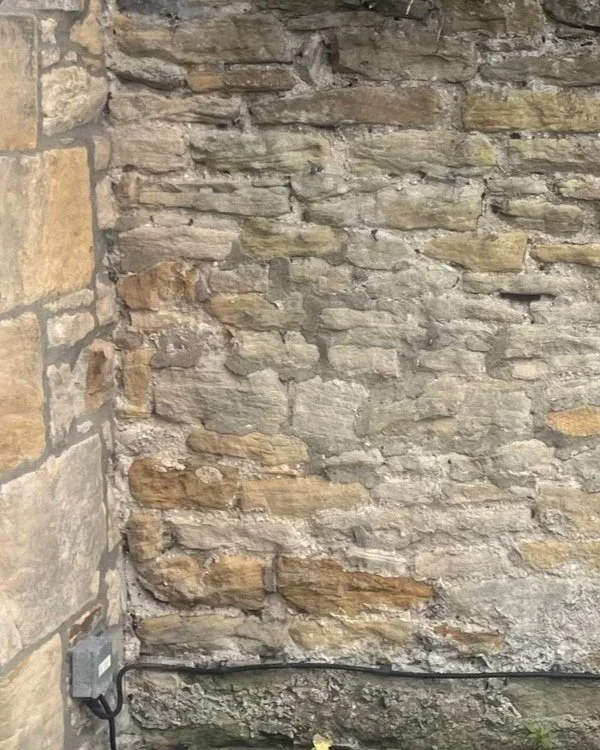
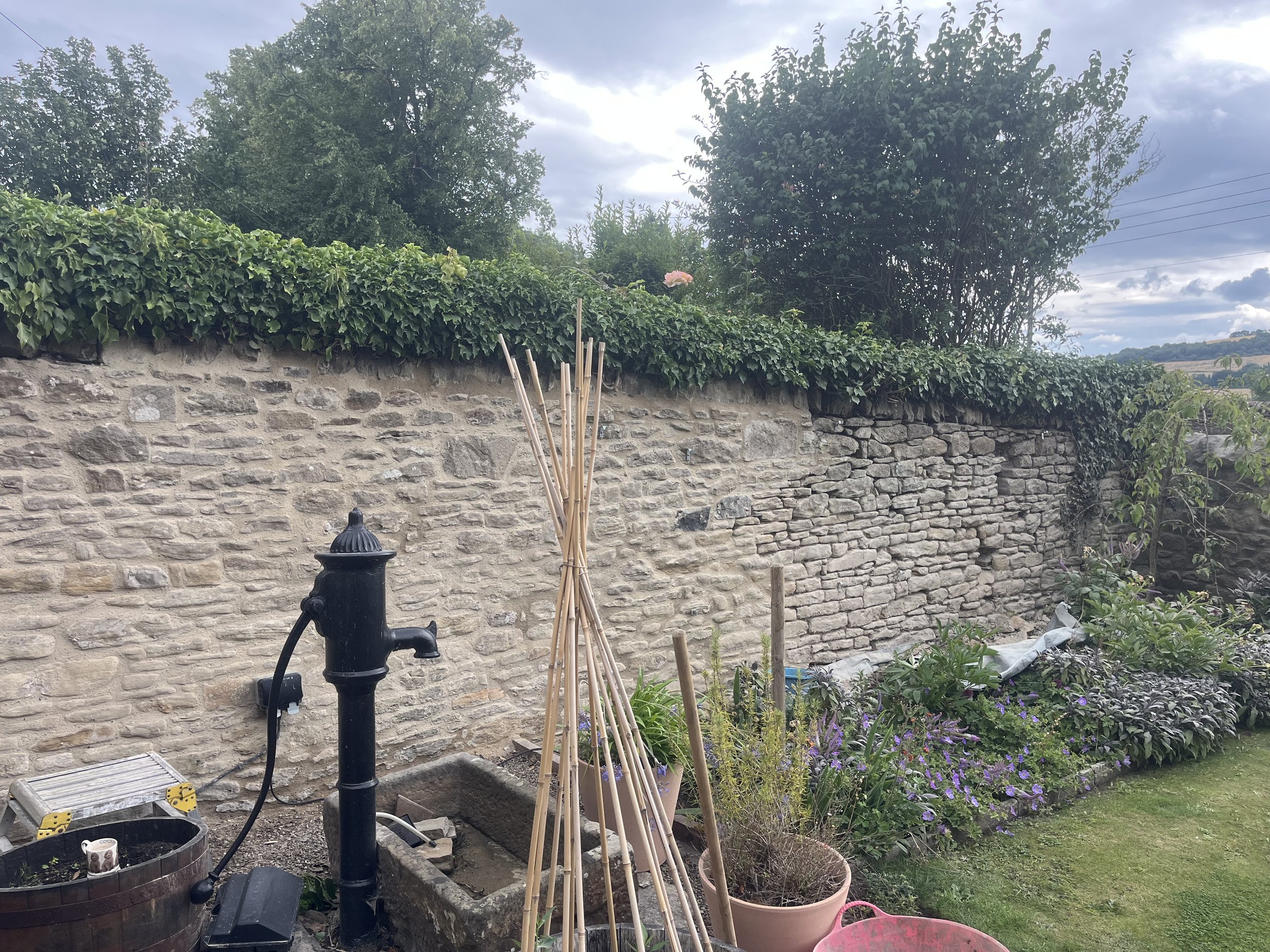
Using the correct mortar also ensures a sympathetic appearance. The colour, texture, and finish should complement the existing masonry and can vary by material due to different ratios, colours of sand and pozzolans. An inappropriate mix can stand out visually and detract from the character of the building — particularly in period or heritage properties. Occasionally, when repointing a listed building, the mortar may need to be traceable and pre-approved by the appropriate authorities in advance to ensure it maintains the character of the building, we can help guide you through this process.
The Building Must Be Able to Breathe
Traditional stone and brick buildings were designed to manage moisture naturally. The mortar joints allow trapped moisture to evaporate, helping the structure “breathe.” If an overly hard or impermeable mortar — such as a strong cement mix — is used in place of a more suitable lime-based mortar, it can trap moisture within the wall.
When moisture cannot escape, it often leads to damp problems, internal damage, and accelerated deterioration of the masonry.
Mortar Should Be Softer Than the Stone
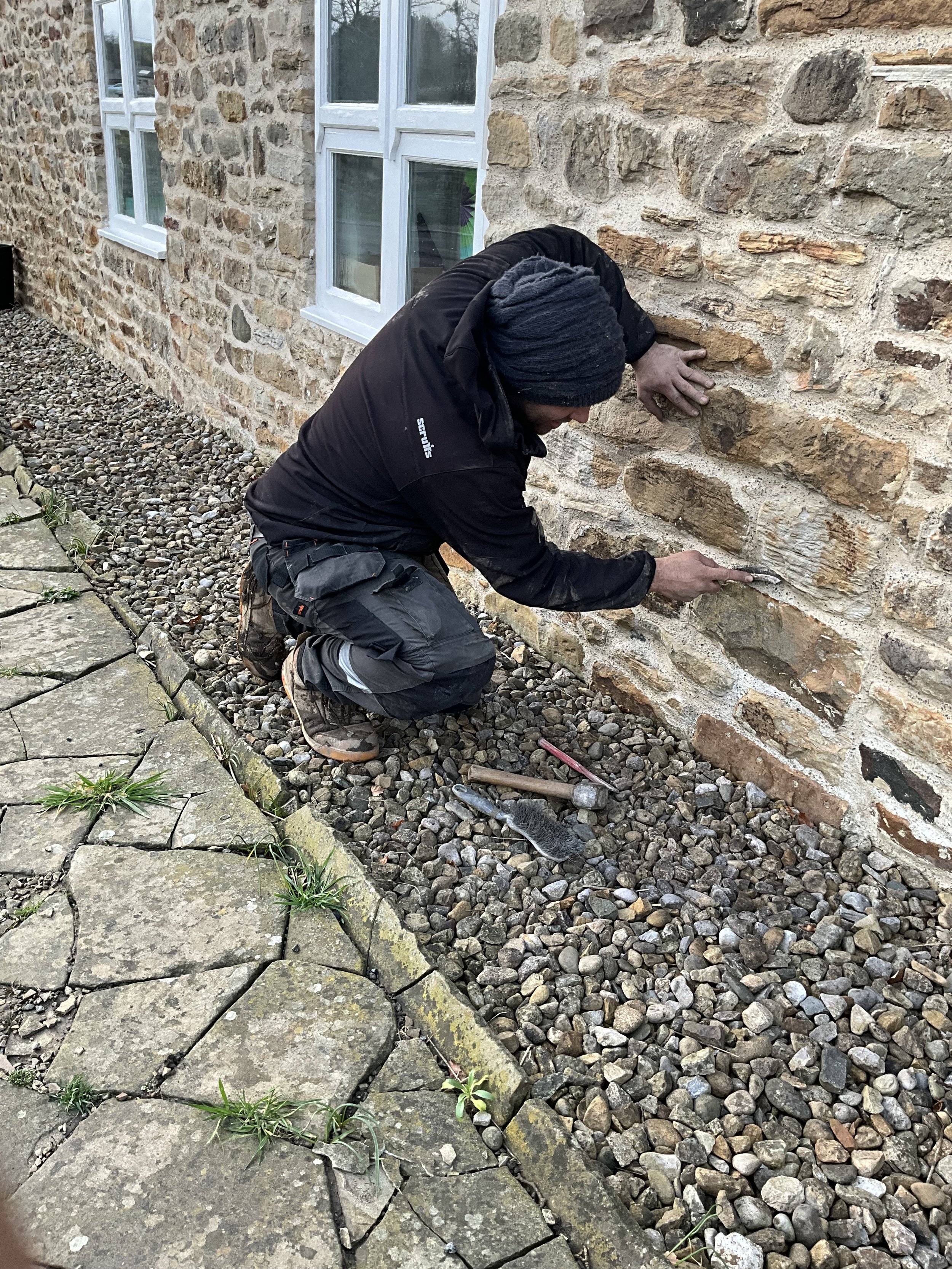
A key principle in pointing is that the mortar should be softer and more flexible than the surrounding stone or brick. Mortar is designed to act as the sacrificial element of the wall — meaning it should weather and erode before the masonry units do.
If a mortar is too strong or rigid, it can force movement and stress into the stone itself. Over time, this may cause cracking, spalling, or irreversible damage to the masonry — repairs that are far more costly than repointing.
Long-Term Protection
Ultimately, repointing is about preserving the building for the future. Using the right mortar ensures the structure remains durable, weather-resistant, and structurally sound. Cutting corners with unsuitable materials may save money initially, but it often leads to more extensive and expensive repairs later on.
When it comes to pointing, the right mortar doesn’t just protect the joints — it protects the entire building.
Why we Avoid Cement on Stone Buildings
Cement sets incredibly hard, harder than the stone or brick masonry itself. At one point, people thought this was brilliant and would make the pointing last longer, eliminating the need to repoint. However, over time we’ve learnt that repointing using cement creates a myriad of other issues.
Stone is porous, meaning that when it rains water is absorbed by the stone and fed into the building. If the mortar is cement based, it’s too hard for the water to pass through meaning it becomes trapped. This causes long-term damp, leading to mould damage to your home. It can also force the stone to erode much more quickly than it would naturally; trapping the water inside the stone itself makes it must more vulnerable to frost damage. If left untreated, this can cause damage to the structural integrity of the building itself resulting in the need for masonry repairs generally much more disruptive and costly than repointing.
Lime mortar is softer than the stone and more porous. It quickly brings water from the stone, back to the surface by capillary action where it can safely evaporate, keeping the building dry and damp-free.
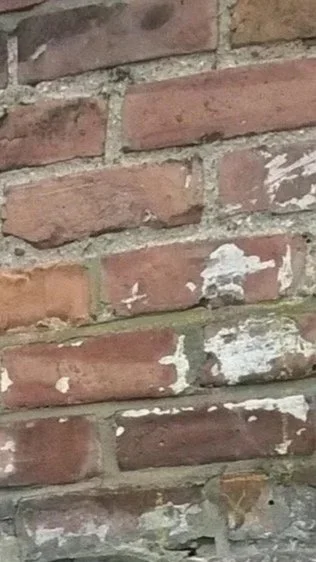
What Happens if the Wrong Materials are Used?
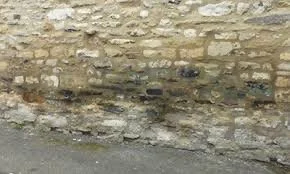
Using the wrong materials can cause a myriad of problems that can be time-consuming, disruptive and expensive to rectify. The wrong mortar, specifically one that sets harder than the stone itself, can cause problems with damp inside and outside the building and accelerate deterioration of the stone. If left uncorrected, this may eventually lead to structural issues and extensive building works.
Another important consideration is the appearance of the mortar, a lime mortar specialist will be able to find recommend the best colour match to your existing mortar that, once weathered in, will have minimal difference in appearance. Using the wrong coloured sand or other additives can lead to a jarring mismatch in mortar colour which can ruin the attractive facade of a beautiful stone building.
When to Get Advice
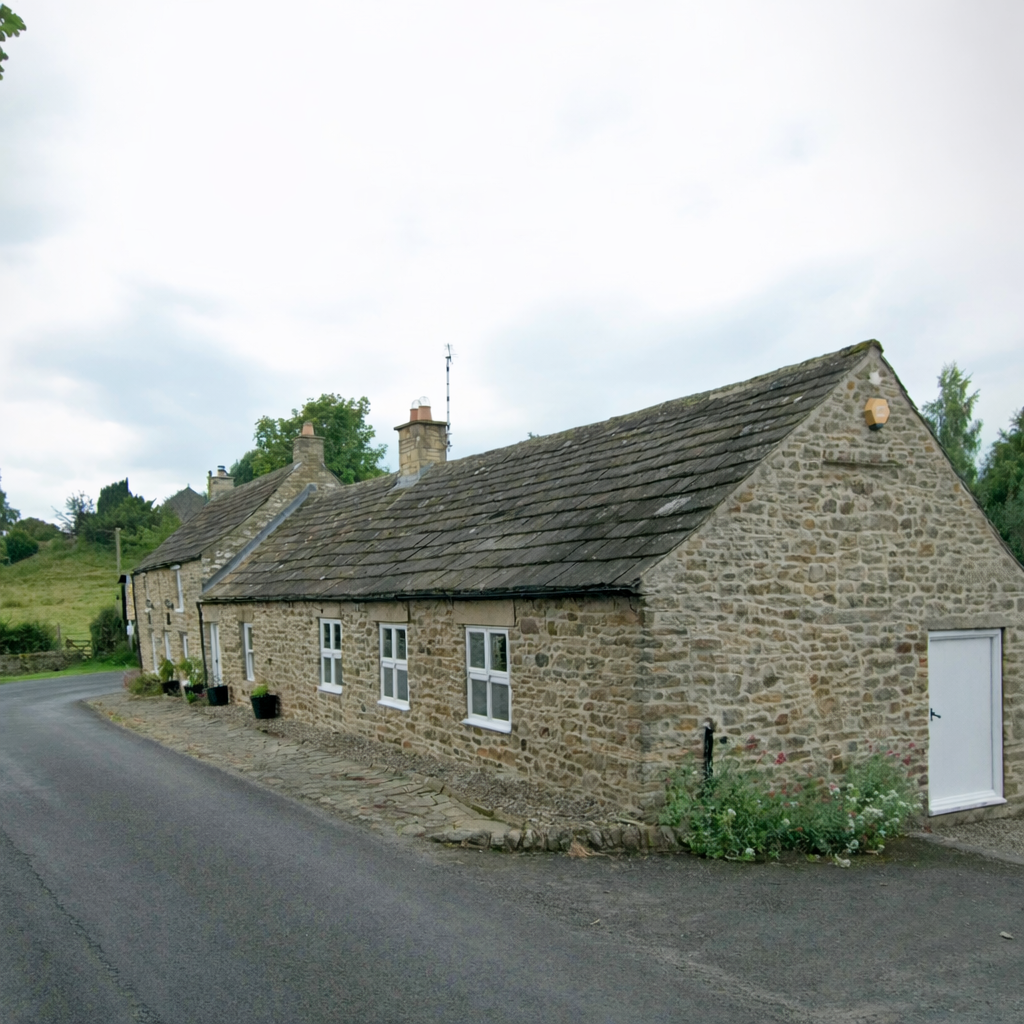
If you own a stone cottage, farmhouse, barn conversion or listed property and are unsure whether your existing mortar is right, get in touch.